Skip to content
GreenBlades
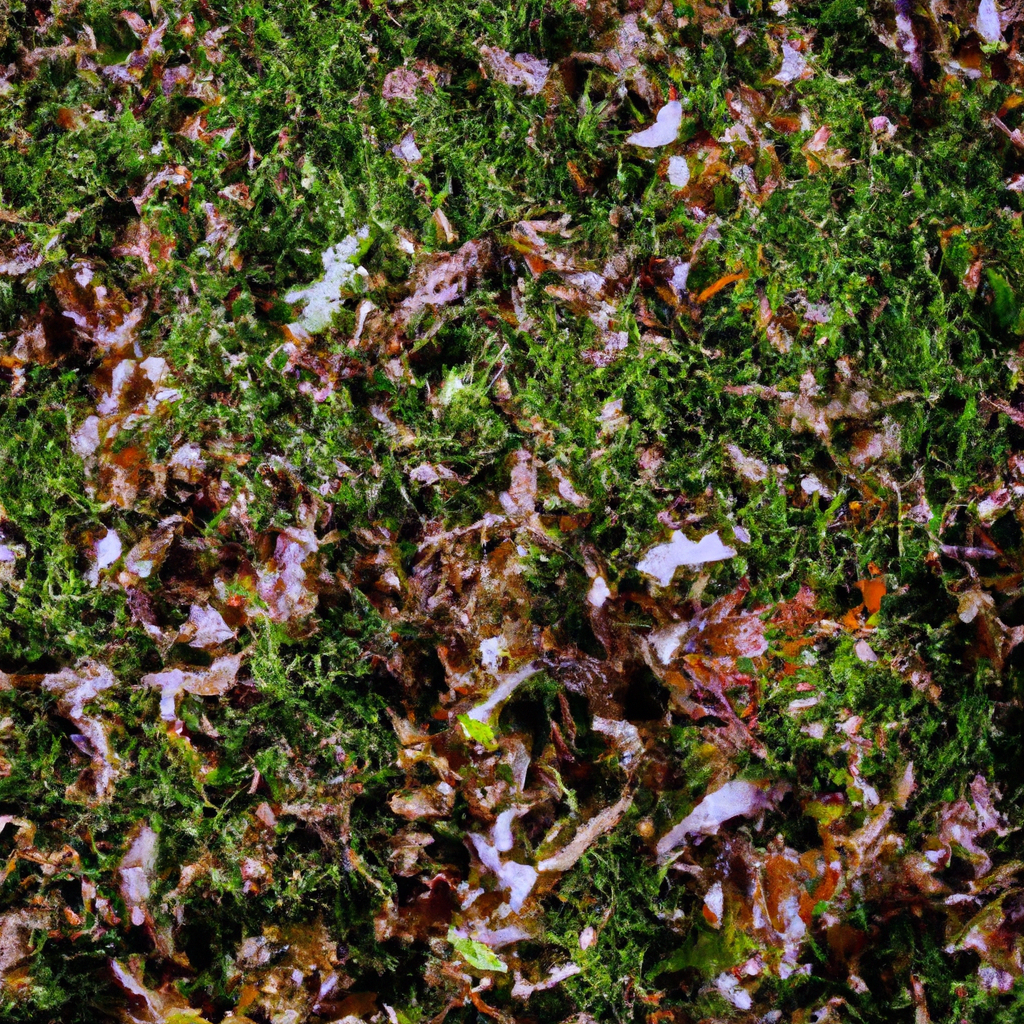
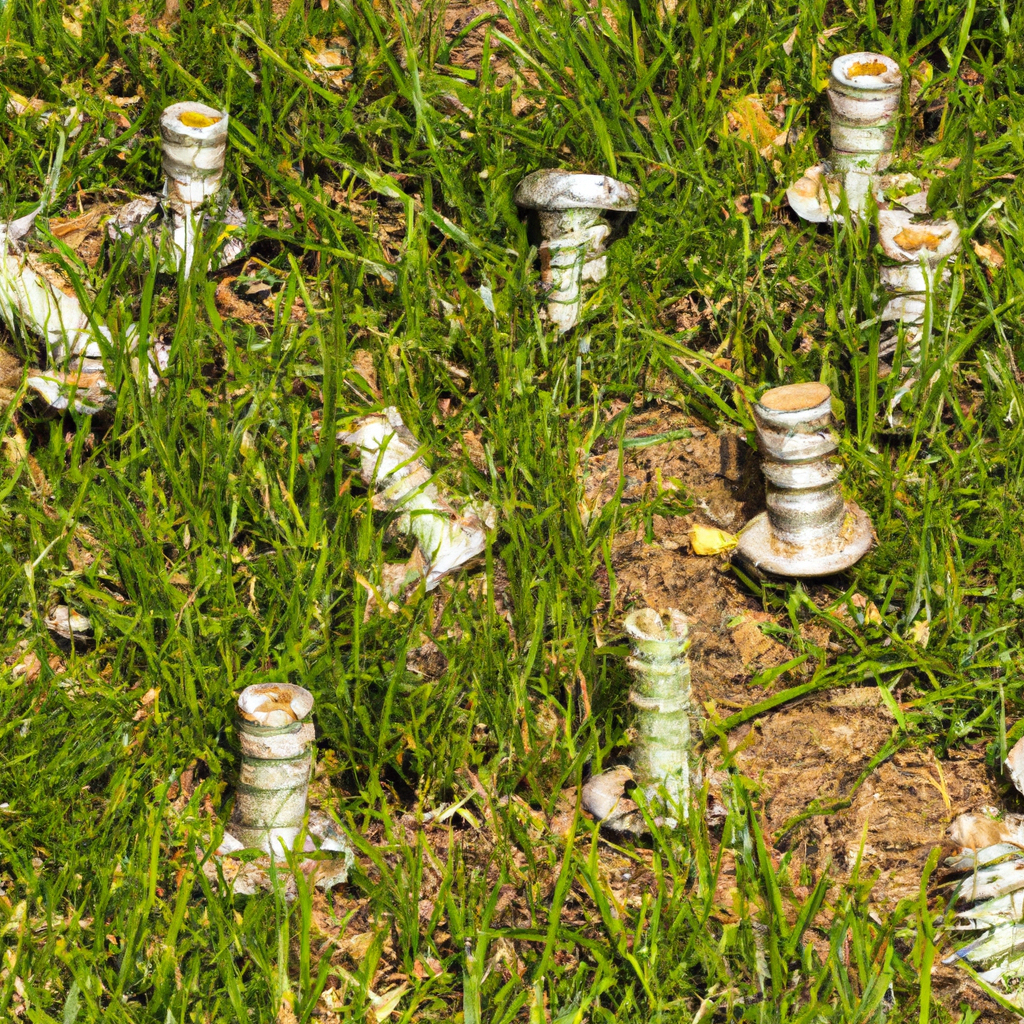
Spring lawn with aeration cores on a vibrant green Canadian yard
GreenBlades

When frost is gone and soil is workable, core aerate compacted areas to improve root oxygen. For cool-season grasses common in Canada (Kentucky bluegrass, fescue, rye), set your first mow high at 7.5–9 cm to protect crowns during spring swings.

  • Water lightly after aeration to help soil cores break down.
  • Topdress thin spots with 0.6 cm compost for organic matter.
  • Sharpen blades for a clean cut and reduced disease.
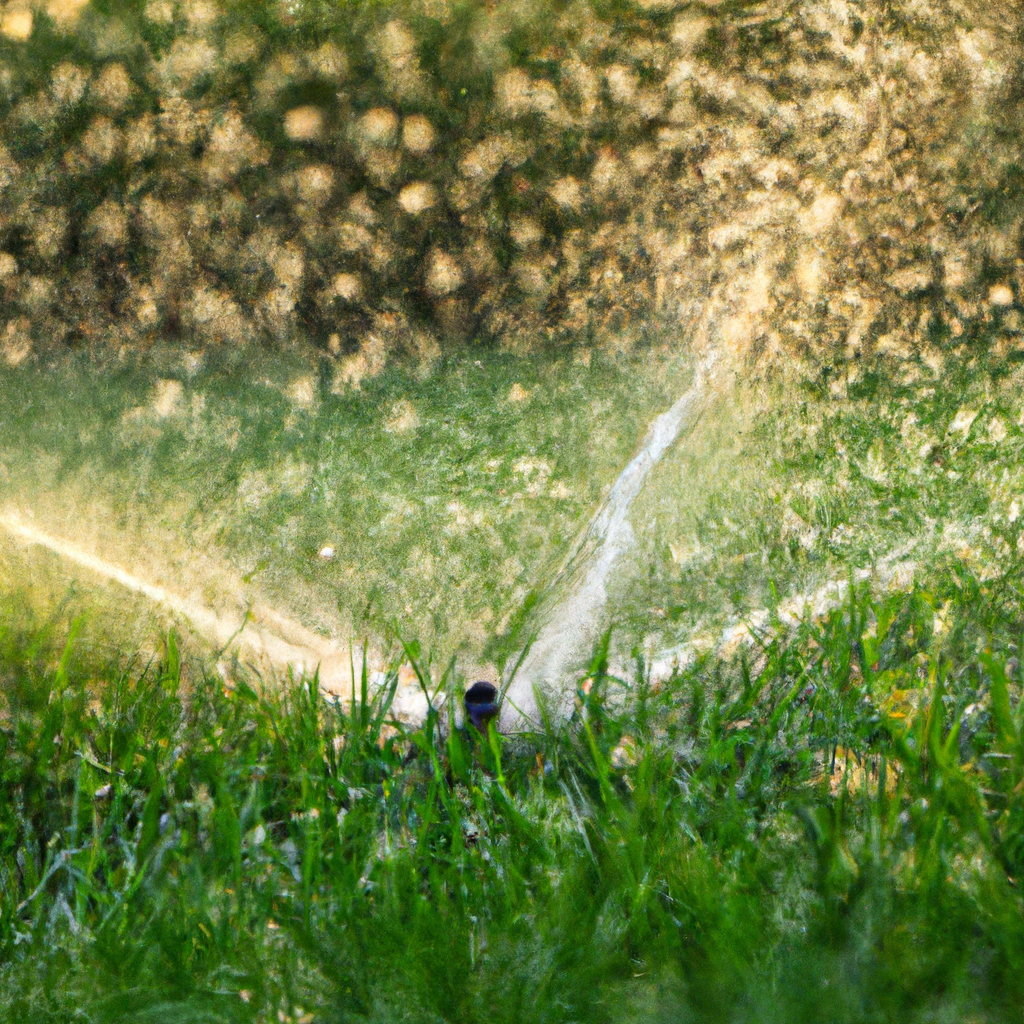
Backlit sprinklers watering a summer lawn with shimmering droplets
GreenBlades

Water deeply and infrequently: aim for 2.5 cm per week, delivered in 1–2 sessions to encourage deep rooting. Water at dawn to reduce evaporation and disease risk.

  • Use a rain gauge or tuna can to measure 2.5 cm.
  • Pause irrigation after heavy rainfall to save water.
  • Adjust for clay vs. sandy soils—split sessions if runoff occurs.
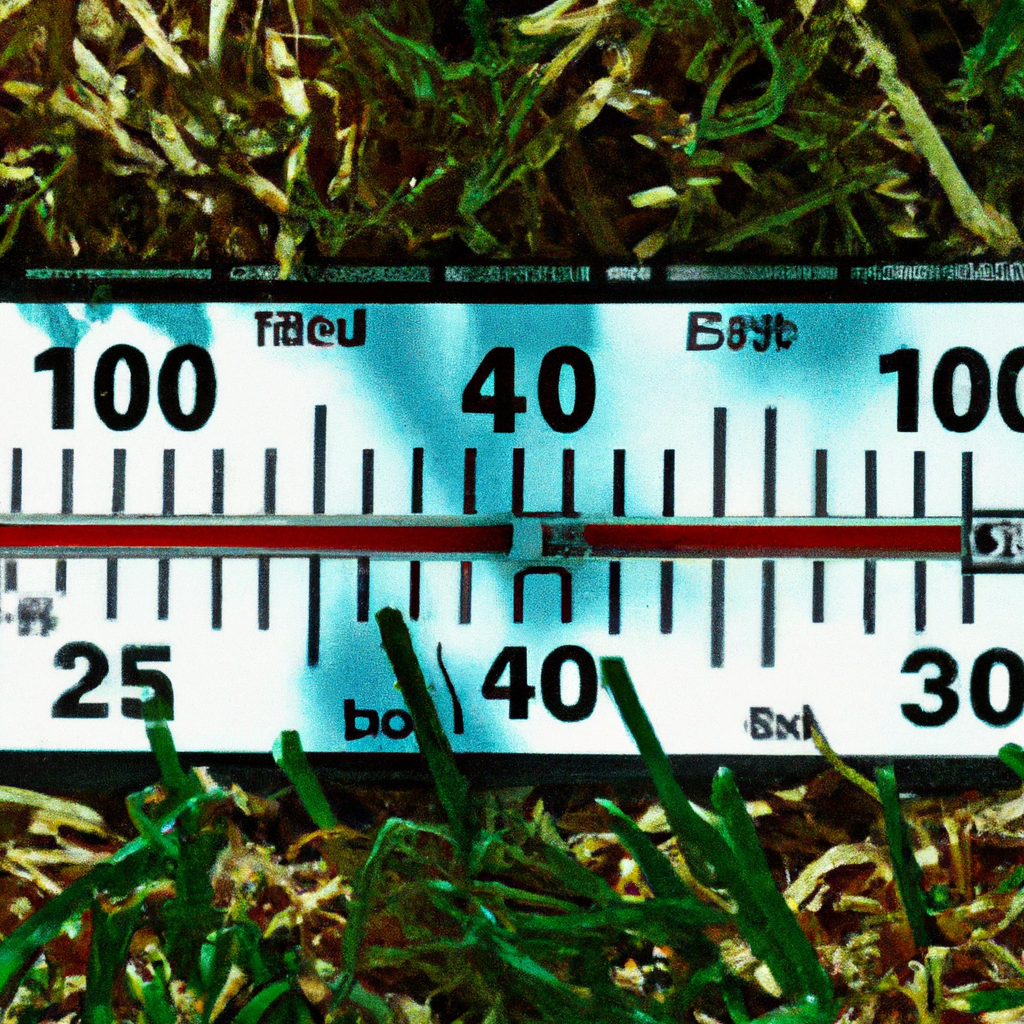
Lawn during a heatwave with shaded areas and a moisture gauge
GreenBlades

Raise mowing height to 9–10 cm during heat to shade soil and reduce stress. Use temporary shade cloths for new seed and avoid fertilizing in peak heat.

  • Leave clippings to mulch and retain moisture.
  • Spot-water hot spots to prevent dormancy.
  • Avoid heavy traffic on stressed turf.
Ryegrass seed spreader on a fall lawn with maple leaves
GreenBlades

Late summer to early fall is prime time to overseed cool-season lawns. Soil is warm, nights are cooler, and weeds are waning—perfect for establishment.

  • Slice seed after dethatching for better seed-to-soil contact.
  • Keep seedbed consistently moist for 10–14 days.
  • Blend cultivars for disease resistance and colour.
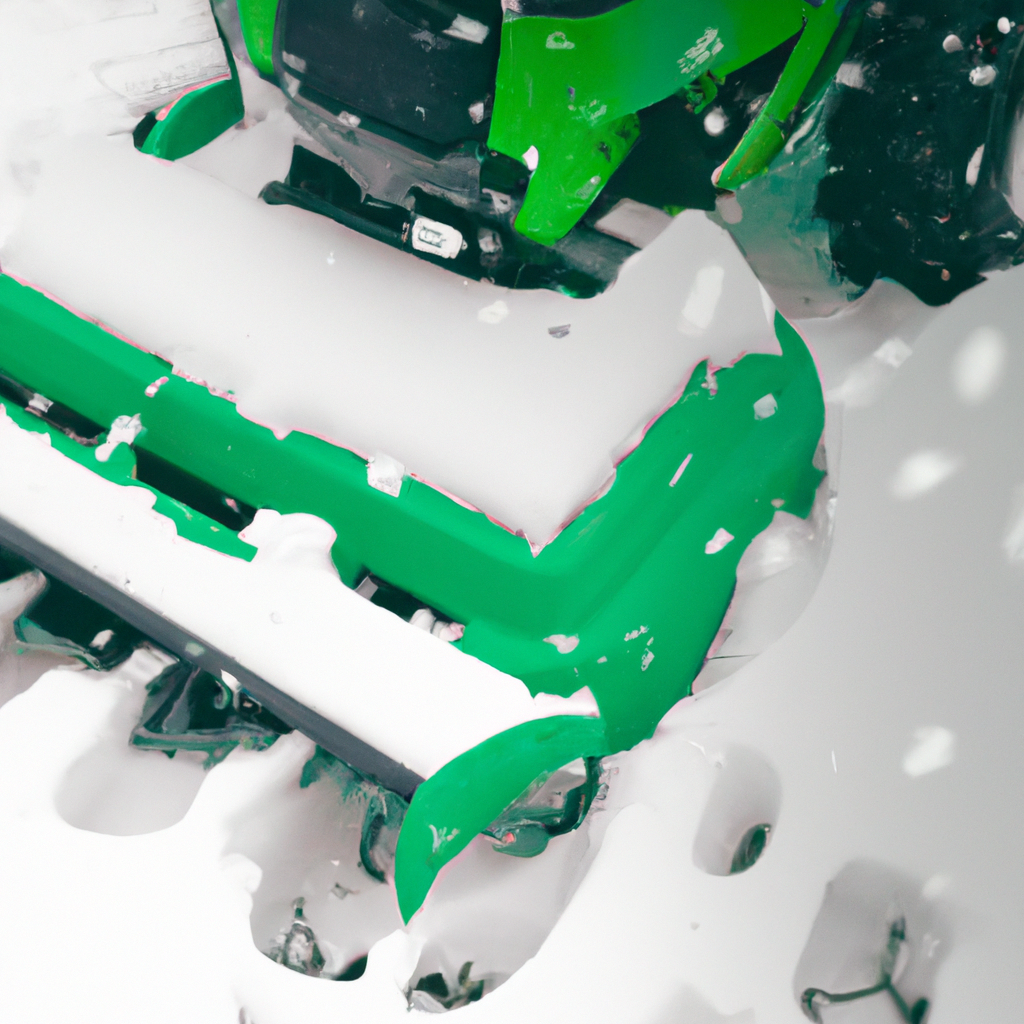
Snow-covered lawn edges with a cleared path and safe ice melt
GreenBlades

Avoid piling salted snow on turf. Use calcium magnesium acetate or sand near edges, and let an even snow cover insulate crowns through freeze–thaw cycles.

  • Mark driveway edges to keep plows off turf.
  • Final mow at 5–6 cm to reduce snow mold risk.
  • Keep foot traffic to paths to prevent crown damage.
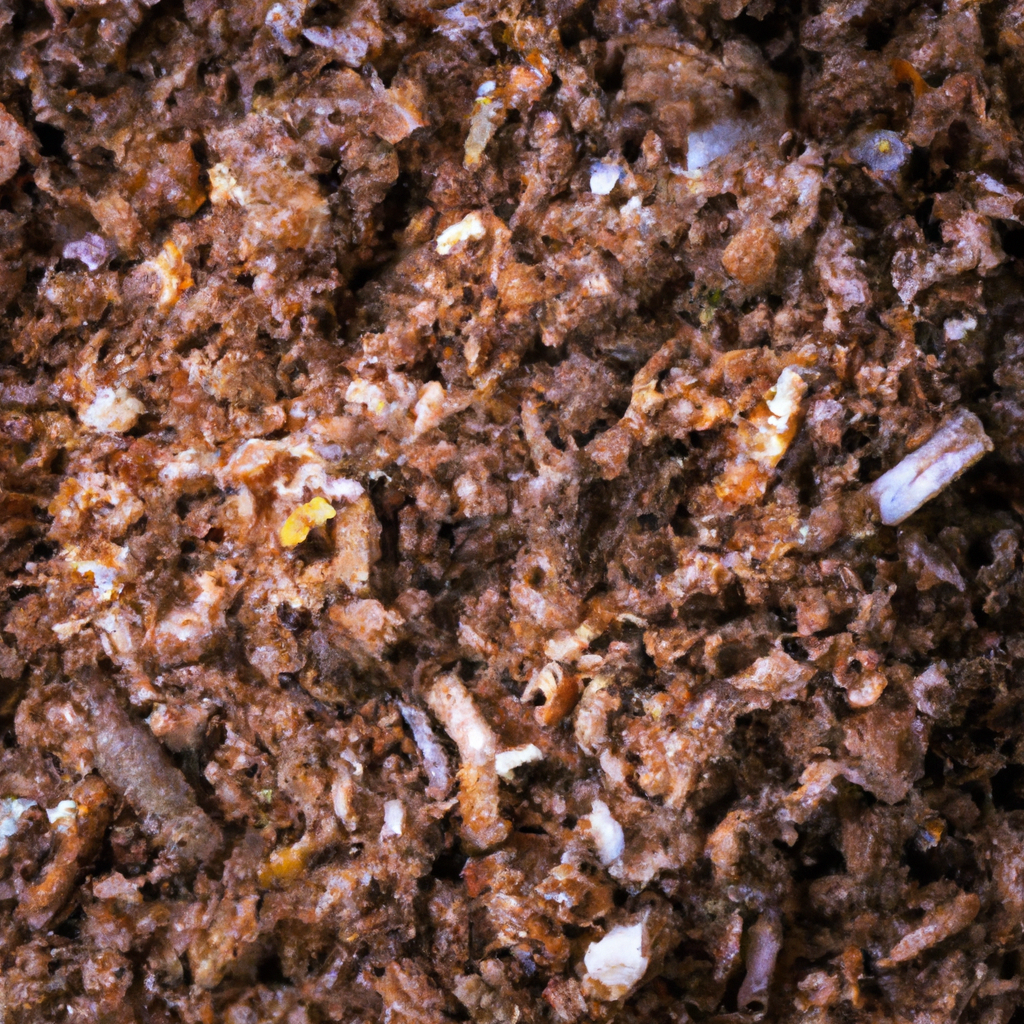
Compost being spread with visible crumb texture
GreenBlades

Prioritize organic matter with screened compost topdressing. If using fertilizer, choose slow-release, low-nitrogen formulas to minimize runoff into Canadian waterways.

  • Target 0.5–1 cm compost across the lawn in spring.
  • Soil test every 2–3 years to fine-tune inputs.
  • Blow granules off hard surfaces to prevent storm-drain pollution.
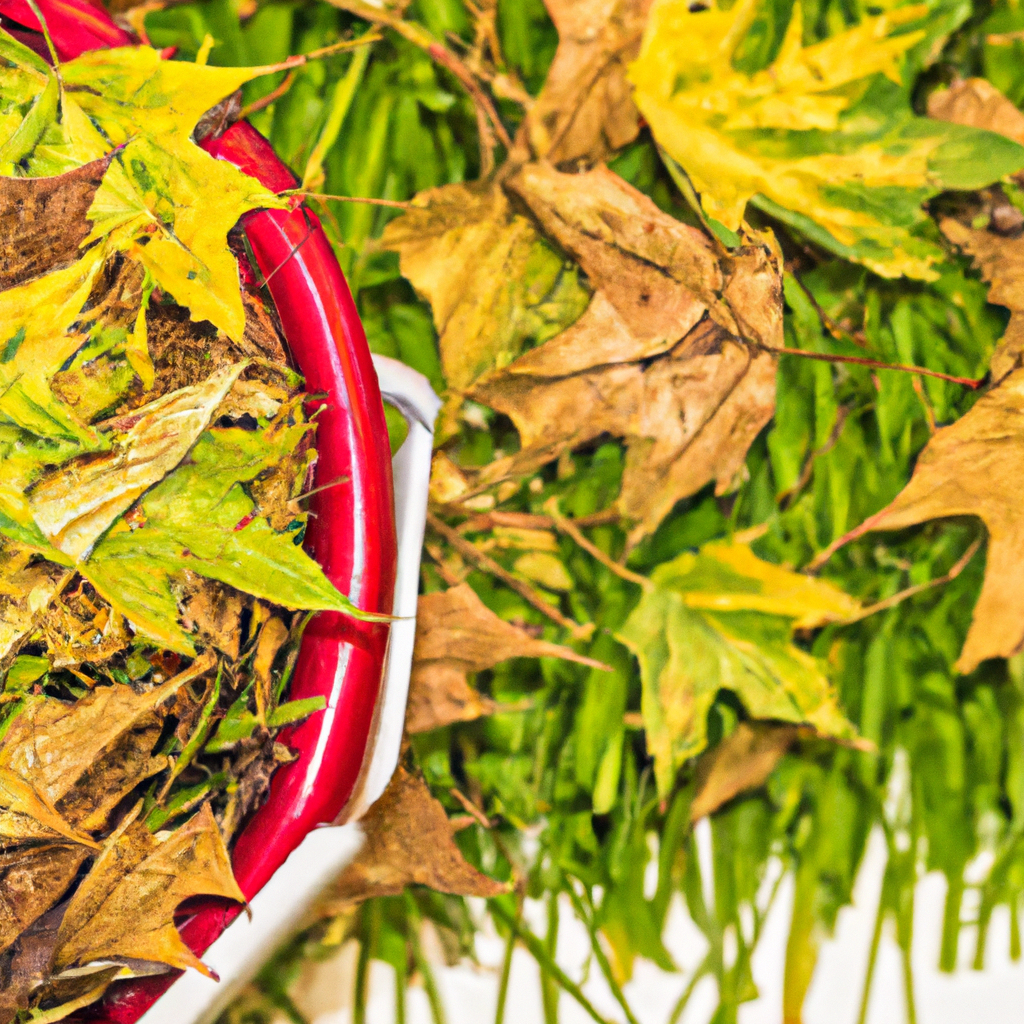
Mulch mowing leaves into fine pieces on a crisp-edged fall lawn
GreenBlades

Mulch mow leaves into confetti that filters between blades—free nutrients and organic matter. Neaten edges before ground freezes for a tidy winter look.

  • Multiple passes reduce leaf size; avoid thick mats.
  • Compost excess leaves; mix with grass for balance.
  • Trim perimeters at 5–6 cm for winter health.

Get new Canadian lawn tips by email

One concise email per month. No spam.

Copy tip to share

Pro-tip: Paste this into your group chat or neighbourhood forum.

Privacy preferences